
Why Dance?

Dance is a fantastic physical activity for young people, especially for those resistant to participating in competitive sports.
It can promote general well-being, physical fitness, emotional well-being and healthy attitudes to the body and lifestyle choices.
Physical benefits:
Healthier heart and lungs
Stronger muscles
Stronger bones and reduced risk of osteoporosis
Better co-ordination, agility and flexibility
Improved balance and enhanced spatial awareness
Increased physical confidence
Improved mental functioning
Increased energy expenditure
Personal and social benefits:
Improved general and psychological well-being
Greater self-confidence and self-esteem
Increased trust
Better social skills
Reduced isolation and exclusion
Life:
Communication and negotiation skills; experience in giving and taking feedback
Skills in working with others to achieve goals
Problem-solving
Leadership skills
Flexibility and experience of working in different ways
Ability to respond creatively to challenges and generate innovative ideas
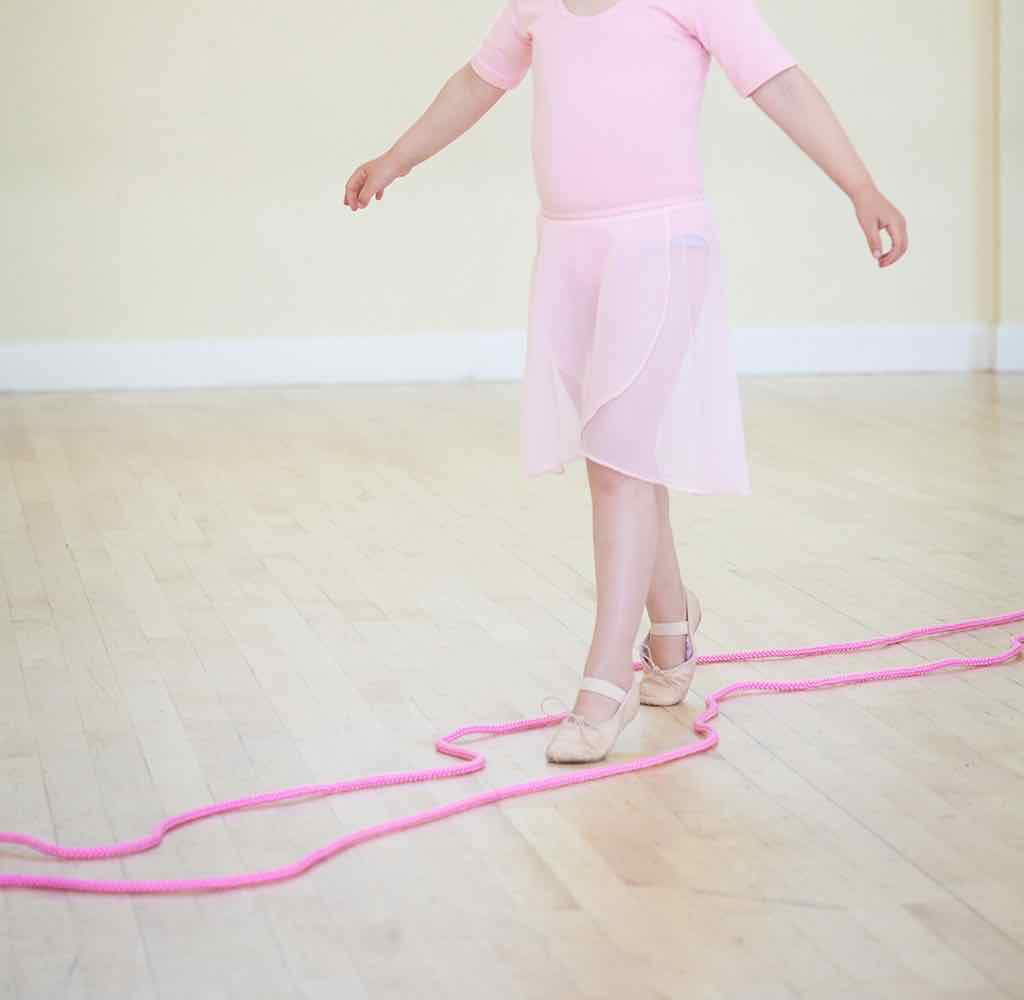
Dance offers young people a wide range of physical, psychological, social and emotional benefits including:
Artistic and aesthetic understanding:
Understanding of a core artistic discipline; access to a unique means of translating ideas, expressing meaning and communicating with others
Kinaesthetic, physical, spatial and visual awareness
Integrating the processes of performing, making, and observing
Making informed and critical judgements
Developing creative thought and action
Cultural awareness:
Appreciation of diversity in cultures, cultural values and traditions
Physical empathy and understanding of difference and well-being
Co-ordination, control, posture, strength, stamina, flexibility and mobility
Physical confidence, enjoyment in moving
Developing a responsible attitude to health and well-being
Learning:
Learning through spatial, kinaesthetic, and visual modes
Enhanced memory through physical patterning and repetition
Observation, analysis and developing strategies to improve performance
Exploring and experimenting
Attention, focus and bringing whole self to the moment
Enjoyment, motivation, inspiration, aspiration and achievement